The mountain you see from the base on clear days is about two hours away. Here is how to spend a long day on its south side, from the old-growth forest at Longmire to the wildflower meadows below the glaciers.
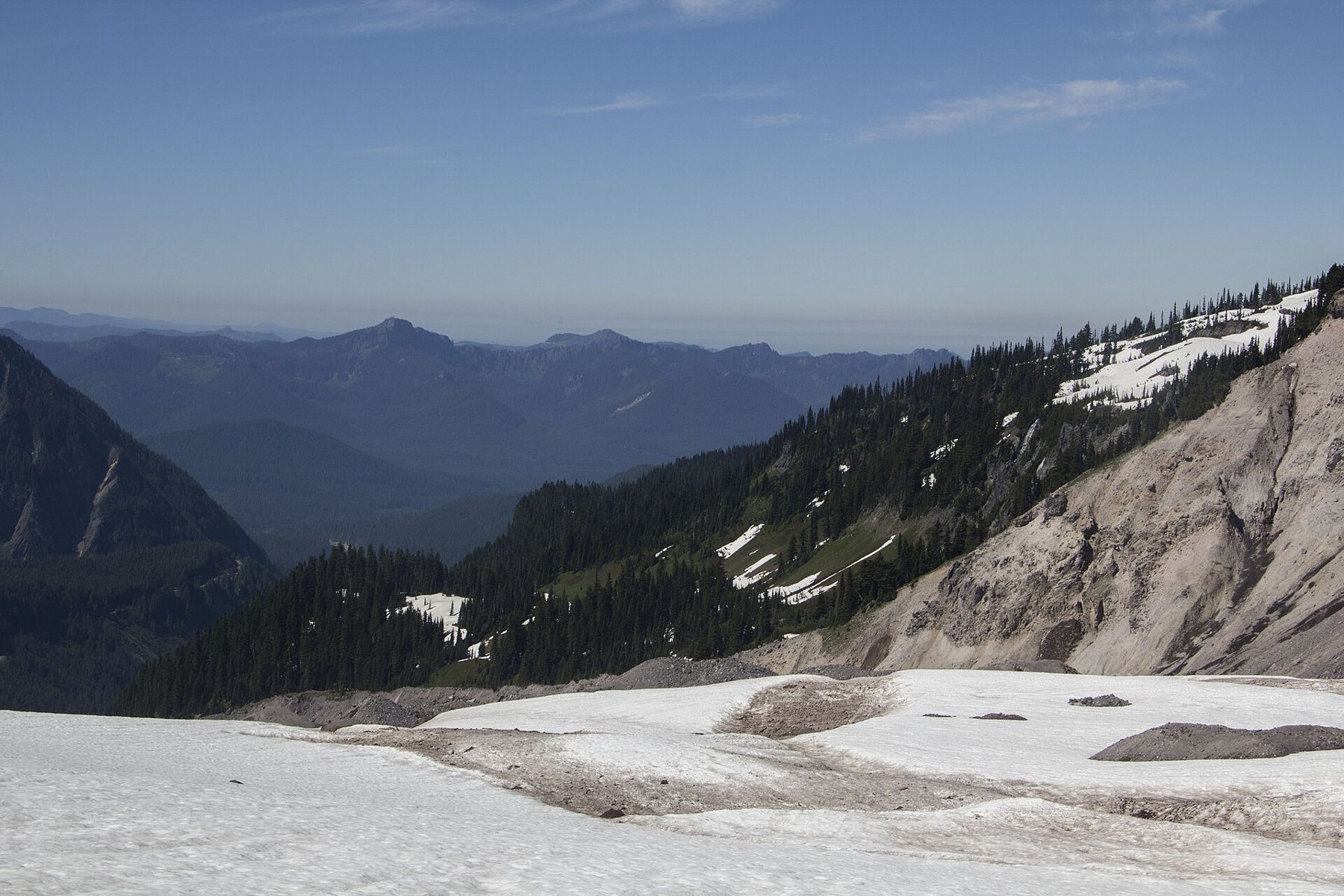
Joint Base Lewis-McChord
About 2 h from Tacoma to the high meadows via Ashford
Snow lies on the high meadows from autumn into July. Late summer is the clearest window; cloud can hide the summit for days, and mountain weather turns faster than it does down in town.
Late July to mid-September
SR 7 and SR 706 to Nisqually entrance
Full tank, layers, sunglasses, food and water for the day
On a clear day Mount Rainier looks close enough to touch from almost anywhere around Joint Base Lewis-McChord. It is not: the high meadows are roughly two hours' drive from Tacoma or Lakewood, and the round trip with stops fills a whole day. If the person you are visiting has a free day, or you have a day to yourself while they are on duty, this is the trip most people remember.
This guide covers the south-west corner of Mount Rainier National Park, reached through the Nisqually entrance, because that is the side closest to the base and the one road kept open longest through the year. For the town end of your stay, see the Tacoma guide.
The drive to the Nisqually entrance
From the Lakewood and Tacoma side, head south-east through farmland and small towns toward Eatonville or Elbe, then east on SR 706 through Ashford to the Nisqually entrance. The road narrows and starts to climb into forest soon after Ashford. Allow about an hour and a half to reach the entrance and another half hour or so to the high meadows, longer on summer weekends when traffic builds near the gate.
There is no fuel inside the park, so fill up before Ashford. Phone signal is patchy beyond the entrance; download a map before you leave. An entrance fee applies per vehicle, and annual passes are accepted. In recent summers the park has used timed-entry reservations for some areas at busy times, and the rules have changed from year to year, so check before you go.
Longmire: the first stop in the trees
Longmire, about six miles inside the entrance, is where the park began: a mineral spring found in the 1880s, a small resort, and later the first park headquarters. The old stone and log buildings are now a historic district, with a small museum in the former administration building. The Trail of the Shadows is a flat loop of under a mile around a meadow, past the old springs and an early homestead cabin, under cedars and firs that dwarf everything else. It is a good leg-stretch after the drive and suits all ages.
Above Longmire, the road climbs past Christine Falls, visible from a short path below a stone bridge, and Narada Falls, where a steep, short trail drops to a viewpoint in the spray. Both are worth a ten-minute stop on the way up or down.
The high meadows: glaciers and late snow
The road ends at a broad visitor area at about 1,650 metres on the mountain's south slope. In good weather the summit fills the view, nearly 2,800 metres higher still, with the Nisqually Glacier spilling down its face. The visitor centre has exhibits, a film and ranger information on trail conditions, and its seasonal hours vary.
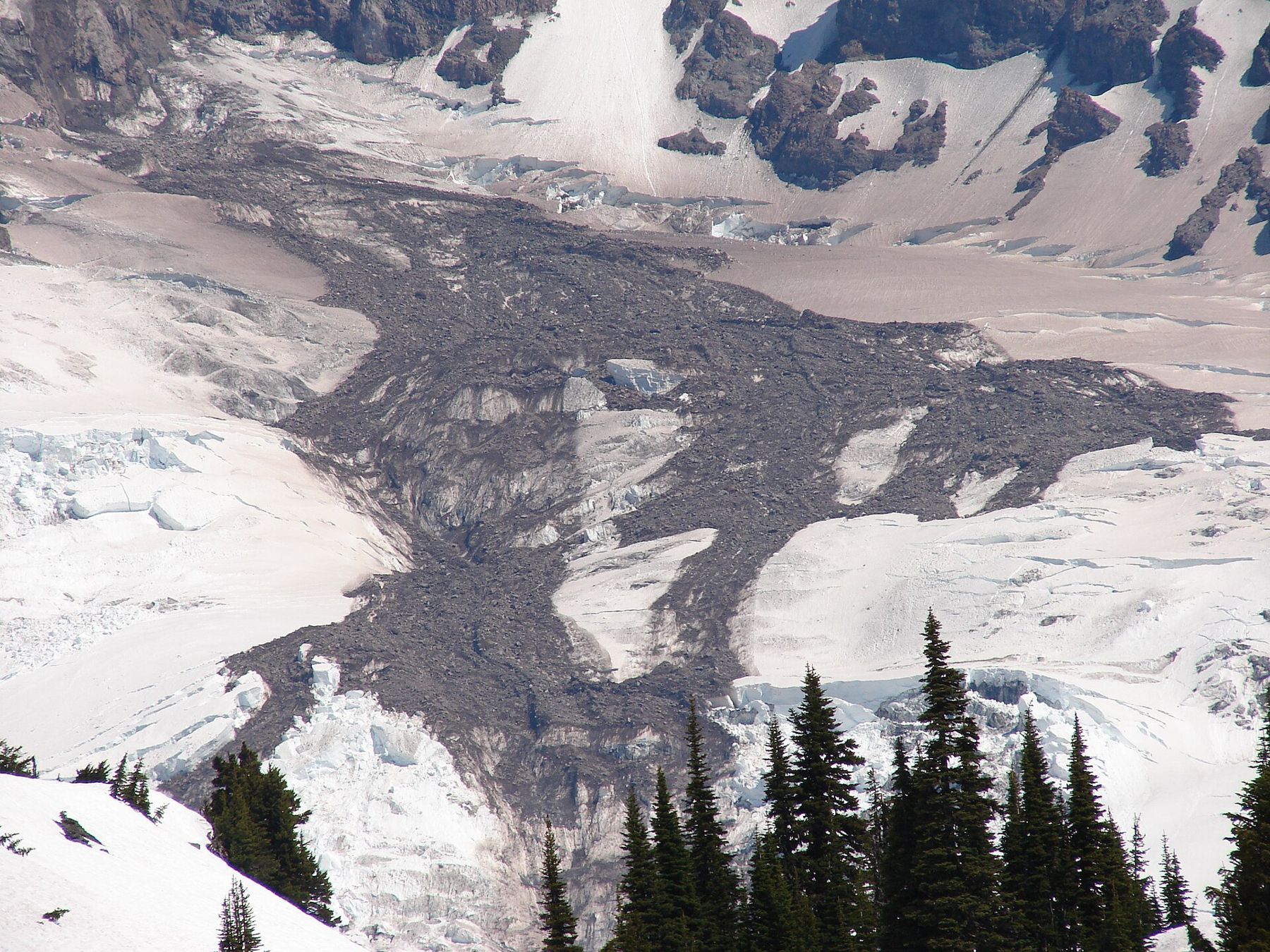
The meadows are the reason to come. Paved and gravel paths spread out from the visitor area; the Nisqually Vista loop is a gentle walk to a view of the glacier and its rubble-covered snout, and the Skyline Trail climbs higher for those with the legs and the time. In late July and August, when the snow finally clears, the slopes fill with wildflowers. Stay on marked paths: the meadows are fragile and footprints last for years.
Watch the rocks and the edges of the snowfields for hoary marmots, large grey ground squirrels that sun themselves near the paths and whistle when anyone comes close. Black-tailed deer graze the lower meadows in the evening, and grey jays and chipmunks will happily take food from careless hands. Do not feed any of them; it is against park rules and it is bad for the animals. Children usually count marmots more eagerly than wildflowers.
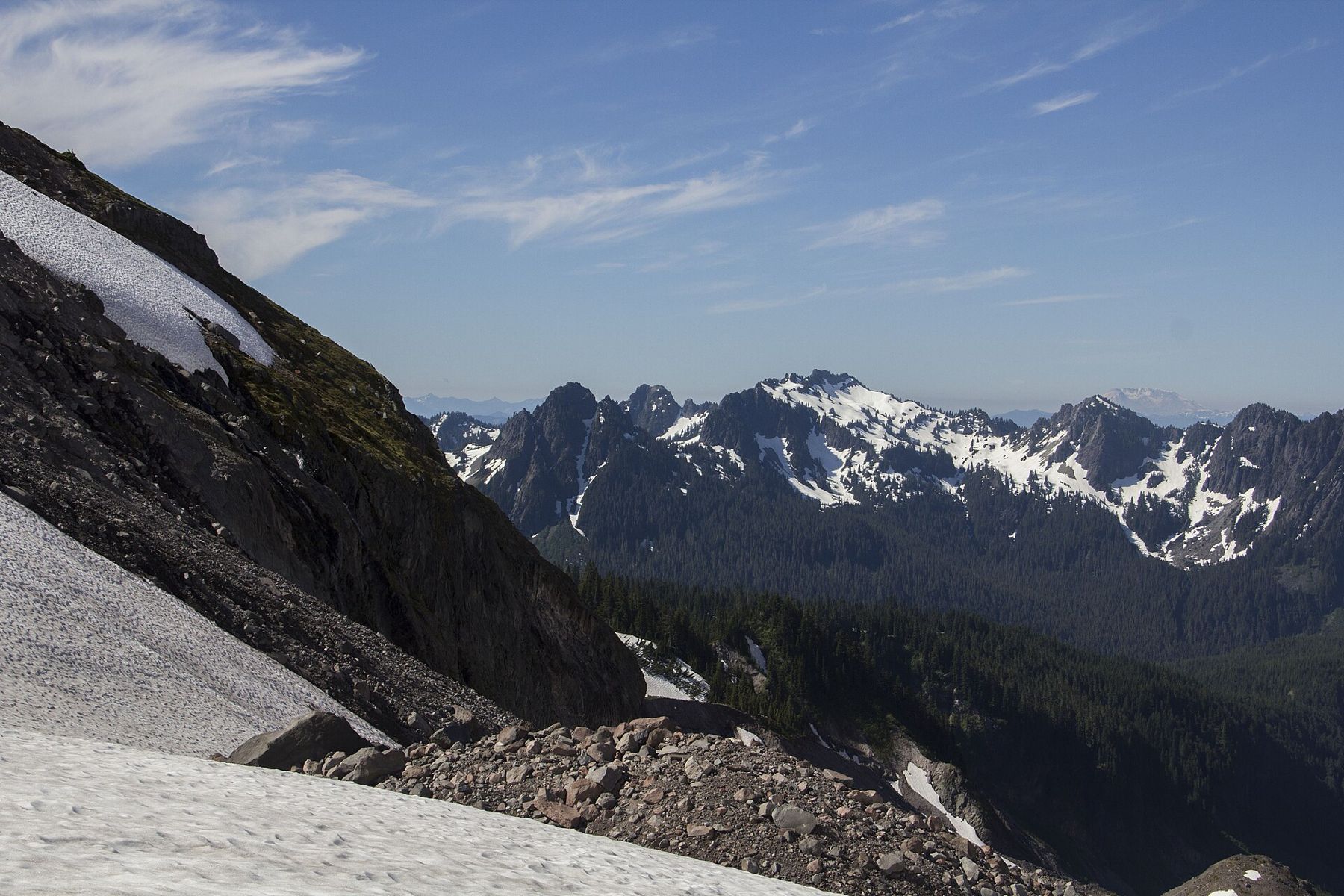
Snow is the thing visitors underestimate. In most years it lies deep in the high meadows well into July, and trails can be snow-covered even when the car park is clear. Wear shoes with grip, carry sunglasses, and turn back if a path disappears under snow you are not equipped for.
Roads that open with the seasons
The road from the Nisqually entrance to Longmire is open all year, and the road on up to the high visitor area is usually kept open in winter during the day, weather permitting, with a gate that closes at night. In winter, vehicles are generally required to carry tyre chains, and the road can close at short notice for snow or avalanche work. Most other roads in the park, including the one east past Reflection Lakes, open only in summer, often not until late June or July. Opening dates move with each winter's snowpack; check road status on the morning you drive.
Packing for a day above the clouds
Bring more layers than the forecast suggests: it can be hot in Tacoma and cold and windy up at the meadows on the same afternoon. Pack lunch, snacks and plenty of water, since food options in the park are limited and seasonal. Sun on snow burns quickly, so sunscreen and sunglasses matter even on a cool day. A paper map is worth having where phones lose signal.
Older visitors and young children can enjoy the day without long hikes: the drive itself, the falls, Longmire's short loop and the paved paths around the upper visitor centre make a full and easy itinerary.
Gate-day weather and the cloud question
The biggest uncertainty is whether you will see the mountain at all. Mount Rainier makes its own weather, and cloud can sit on the upper slopes when the lowlands are bright. Late July to mid-September gives the best odds, with long days, open roads and flowers. Autumn brings colour and fewer people but shorter days and early snow. Winter turns the meadows into a snowfield used for snowshoeing and sledding in designated areas.
Look at the forecast and a live webcam the evening before, and keep a backup plan in town. The gate-day weather guide compares seasons across all the posts, and the airport guide helps if you are timing a visit around a flight.
NEXT ON THE MAP
06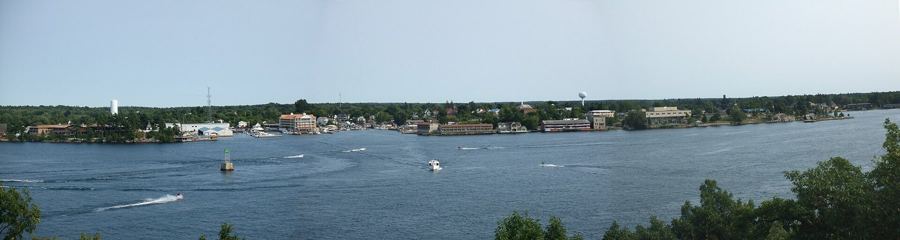
THOUSAND ISLANDSFort Drum
About 1 h 40 from Syracuse Hancock International via I-81
›12
UNITED STATESAny post
Allow extra time for the last few miles
›