Thin mountain air, desert afternoons over a hundred degrees, spring storms on the Plains, damp Southern summers and snow that falls by the foot: a season-by-season look at what you'll land in.
Any post
Weather can double a drive; allow extra time
Heat and storms in summer almost everywhere; snow in the north and the mountains in winter; severe weather on the Plains in spring. Autumn is the most settled season at most posts.
Autumn suits most posts
Check the forecast before you fly
Layers, rain jacket, sunscreen, water bottle, sturdy shoes
The posts on this site stretch from the Pacific Northwest to the Canadian border in New York, and from the high plains of Colorado to the desert on the Mexican line. The weather you meet at the end of the drive can be very different from what you left at home, and it shapes everything from what you pack to whether an outdoor ceremony goes ahead. This guide groups the towns by the kind of weather that rules them, season by season.
Treat everything here as a pattern, not a forecast. Turn on weather alerts for the area on your phone before you travel, check the forecast the night before any long drive, and ask the person you are visiting what the last few days have been like.
Thin air and fast storms in Colorado
Colorado Springs and Fort Carson sit at about six thousand feet, and the altitude is the first thing many visitors notice: shorter breath on stairs, a mild headache, a poor first night's sleep. Drink more water than usual and take the first day slowly. The sun is strong all year, and the air is dry enough to crack lips within a day.
Summer days start clear, but thunderstorms build over the mountains most afternoons, with lightning on high ground. Winter brings snow from about October to May, though it often melts within a day or two in the sunshine. The Colorado Springs guide has more on the altitude and the peak.
Spring is the least predictable season along the Front Range. A warm, sunny week can end in a heavy, wet snowfall in April or even May, and a dry wind off the mountains can lift temperatures sharply in a few hours. Autumn is the steadiest time of year, with clear skies, cool nights and golden aspens in the high country through late September.
Desert heat on the border
At Fort Bliss in El Paso and Fort Huachuca near Sierra Vista, the dry heat is the main event. El Paso regularly passes a hundred degrees in early summer, and the sun is harsh from late morning onward. Sierra Vista sits higher and runs a little cooler, but both towns get the summer monsoon, usually from July into September, when afternoon thunderstorms bring sudden downpours, lightning and flash floods in dry washes.
Winter is the desert's gift: mild, sunny days and cold nights, with snow rare in town but possible on the mountains. Spring brings strong winds and dust. Whatever the month, carry water, wear a hat and plan walks for the early morning. The El Paso guide covers the mild months in more detail.
When the Plains sky turns green
Fort Riley in Kansas and Fort Sill in Oklahoma share the weather of the open Plains. Spring, roughly March to June, is severe storm season, with large hail, damaging winds and tornado warnings. Storms can build quickly on an otherwise calm day, so learn where to shelter wherever you are staying, and take alerts seriously. Summers are long and hot, often past a hundred degrees in Oklahoma, and the wind rarely stops.
ALSO ON THE MAPJunction City and Manhattan, in the tallgrass hills around Fort RileyAutumn is the best time on the Plains: dry, clear and mild into late October. Winter swings between bright sunshine and ice storms, which are often more troublesome than snow because they glaze roads and bring down power lines. If you are driving the interstate in winter, check road conditions before you set out.
Damp heat in the Ozarks and Tennessee
Fort Leonard Wood in the Missouri Ozarks and Fort Campbell on the Tennessee and Kentucky line have humid summers, with heavy air, warm nights and thunderstorms that build in the afternoon. Ticks and mosquitoes are active in the woods from spring to autumn. Spring is wet and can be stormy, with tornado watches in both places.
Autumn is warm and pleasant, with colour on the hills in October. Winters are mild by northern standards, but freezing rain can make roads slick for a morning or two, and hilly back roads ice first. The Clarksville guide covers the summer heat and the soft months in more detail.
Lake-effect snow in the North Country
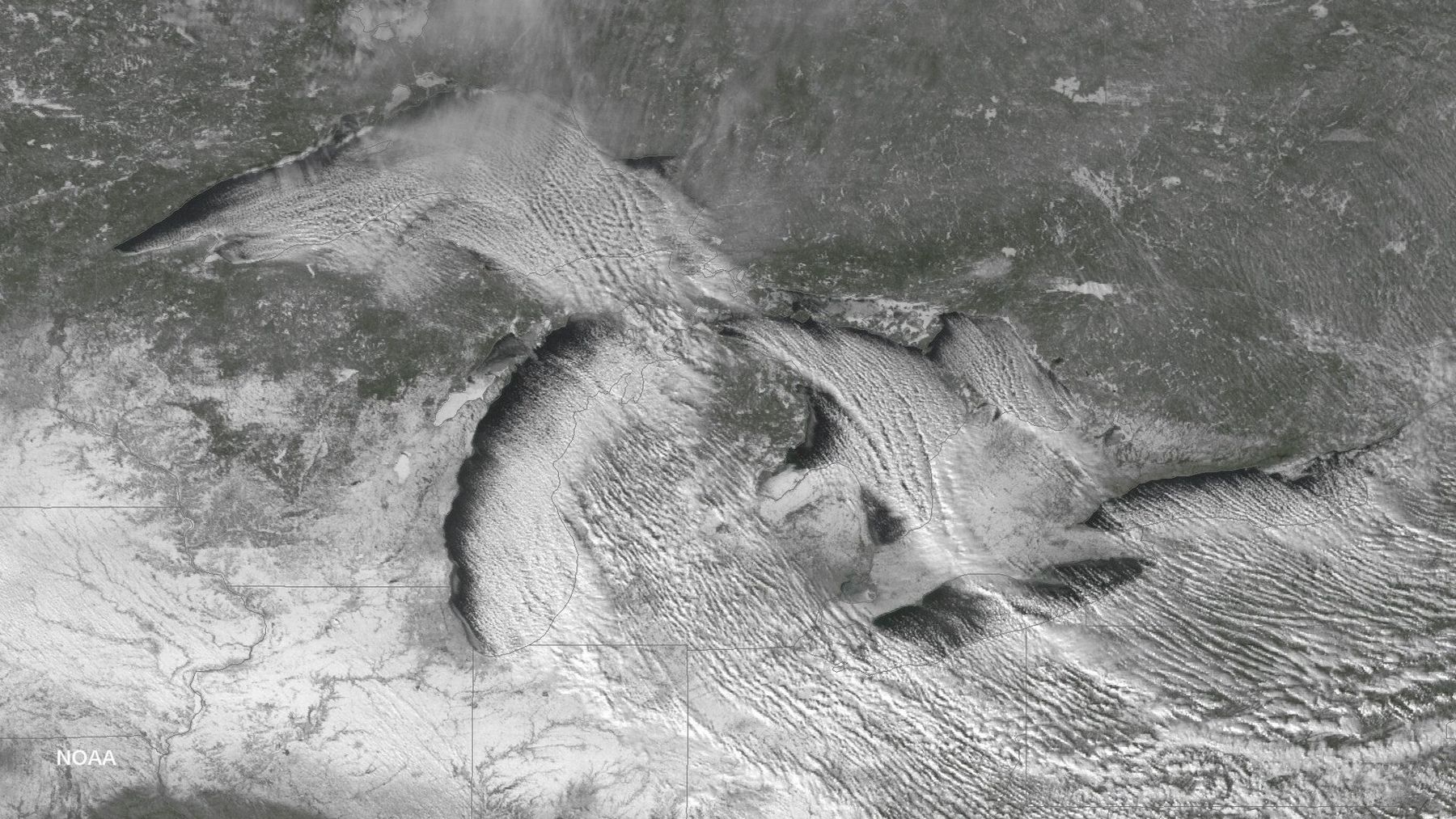
Fort Drum, outside Watertown in northern New York, has the hardest winters of any post on this site. When cold air crosses the open waters of Lake Ontario, it picks up moisture and drops it as narrow bands of very heavy snow downwind. These lake-effect bands can bury one town while the next stays clear, and they can turn I-81 into a whiteout in minutes. The Tug Hill Plateau to the south is among the snowiest places in the eastern United States.
Snow can arrive in November and linger into April, with deep cold in January and February. If you are visiting in winter, carry warm clothes in the car, keep the tank topped up and follow road closures. Summer, by contrast, is mild and bright, and autumn colour peaks around early October. The Watertown guide explains what that means on the ground.
What to pack for any post
Joint Base Lewis-McChord, near Tacoma, stands slightly apart: mild, grey and damp from autumn to spring, dry and bright in summer, with snow rare at sea level. Everywhere else, the same short list does most of the work. Pack layers rather than one heavy coat, a light rain jacket, sunscreen and a hat, a refillable water bottle and shoes that can handle mud. Keep a warm layer in the car in winter and a cooler bag in summer.
For outdoor events, add a folding rain poncho and a small towel to wipe a wet bench, and check whether the base allows umbrellas and chairs before you bring them. If you travel with children or older relatives, plan for more breaks out of the sun or the wind than you think you need, and keep snacks and water within reach on every drive.
Above all, leave slack in your plans. Weather can double a drive, delay a flight or move an outdoor ceremony indoors, and a spare half day often turns a stressful trip into an easy one.
NEXT ON THE MAP
01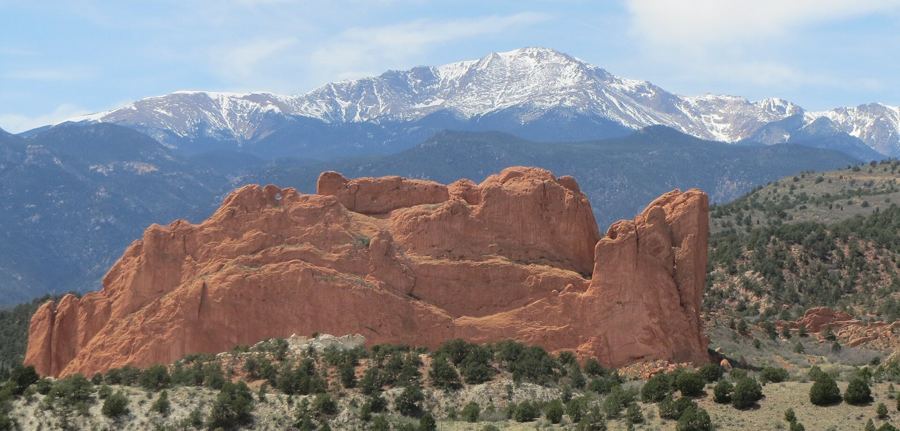
COLORADO SPRINGSAround Fort Carson
About 1 h 30 from Denver International via I-25
›02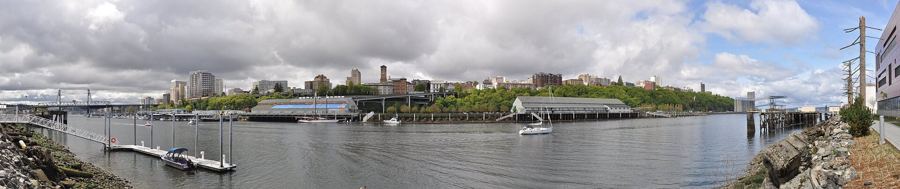
TACOMAAround Joint Base Lewis-McChord
About 45 minutes from Seattle-Tacoma International via I-5
›