Every base sets its own rules for visitors, and they change. What to ask, who to ask, which papers to have ready and how to plan a visit that works even if you never go on post.
Any post
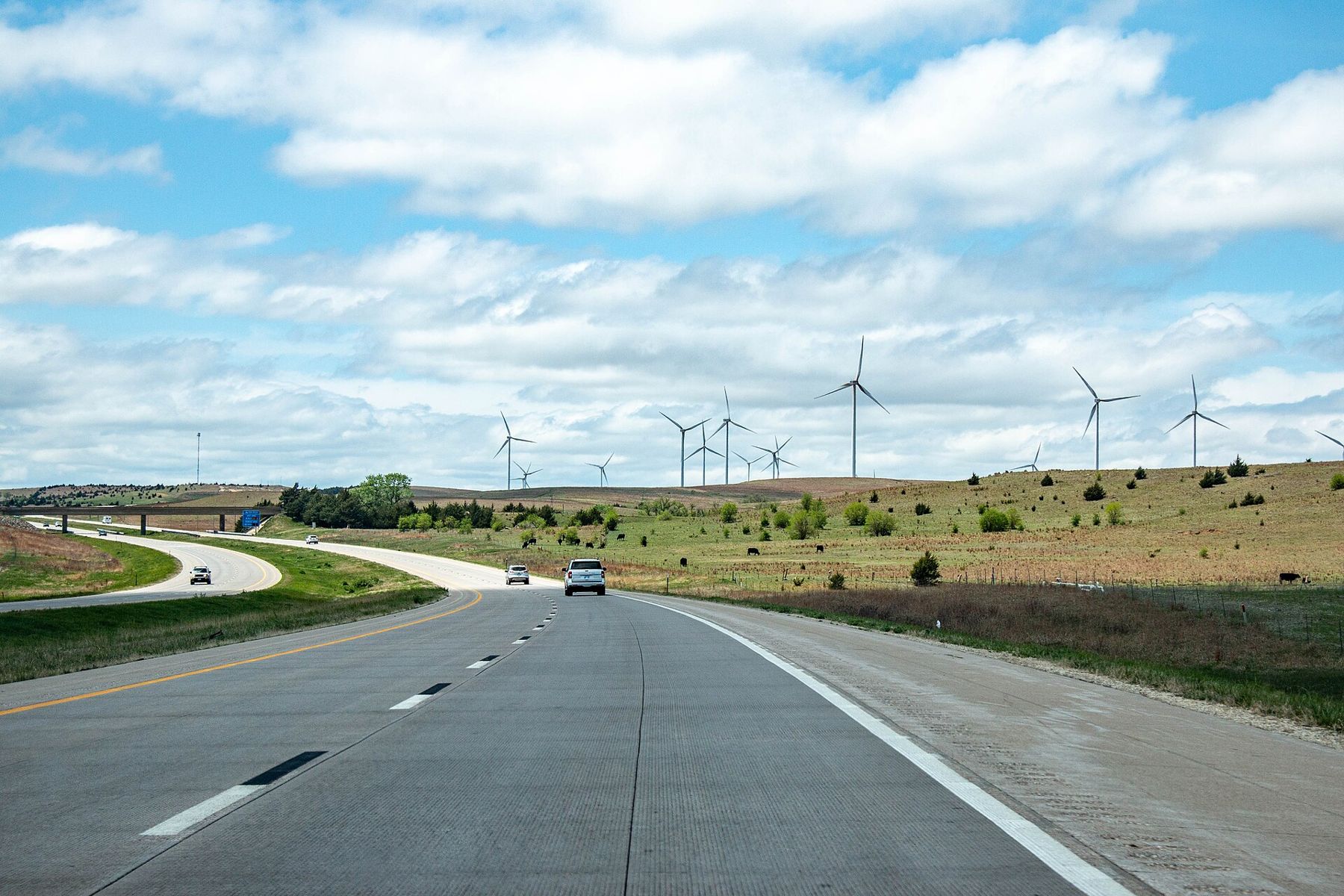
Allow extra time for the last few miles
Whatever the season, you may wait outside for a while. Carry water and sunscreen in summer, a warm layer and gloves in winter, and a rain jacket in spring.
Any month, planned weeks ahead
Ask the base, then plan the drive
ID, car papers, phone, patience
The first visit to someone at a military post brings a set of questions most families have never had to ask. Can you go on post? What do you need to show? Can you drive your own car, or a rental? Will the person you are visiting be free when you arrive? The honest answer to most of these is that it depends on the base, and the rules change from time to time.
This guide does not set out any base's rules, because they are not ours to state and they would soon be out of date. It covers the questions to ask, who to ask and how to plan a trip that still works if the answers turn out different from what you expected.
Start with the person you are visiting
The single best source of information is the person you have come to see. They know their own schedule, what the base currently asks of visitors and what has worked for other families. Ask early, ideally a few weeks before you book anything, and ask them to check again a few days before you travel.
On many posts, a visitor needs someone with access to the base to arrange things on their behalf, or to meet them. Whether that applies to you, how it works and how far ahead it needs to happen are questions for the person you are visiting and for the base. Do not assume that a friend's experience at another post, or even at the same post last year, still holds.
If the person you are visiting is in initial training, contact may be limited and their free time set for them. In that case the post's own visitor and family information, usually published well in advance for events such as graduations, is the place to start. The graduation weekend guide covers those trips in more detail.
The base's own information comes next
Most posts publish information for visitors, covering where visitors go first, what they need to bring and when the relevant offices are open. Look for it on the post's official channels and read it shortly before you travel, not months ahead, because it changes. If anything is unclear, contact the base directly rather than relying on forums or older advice from social media.
Identity documents and REAL ID
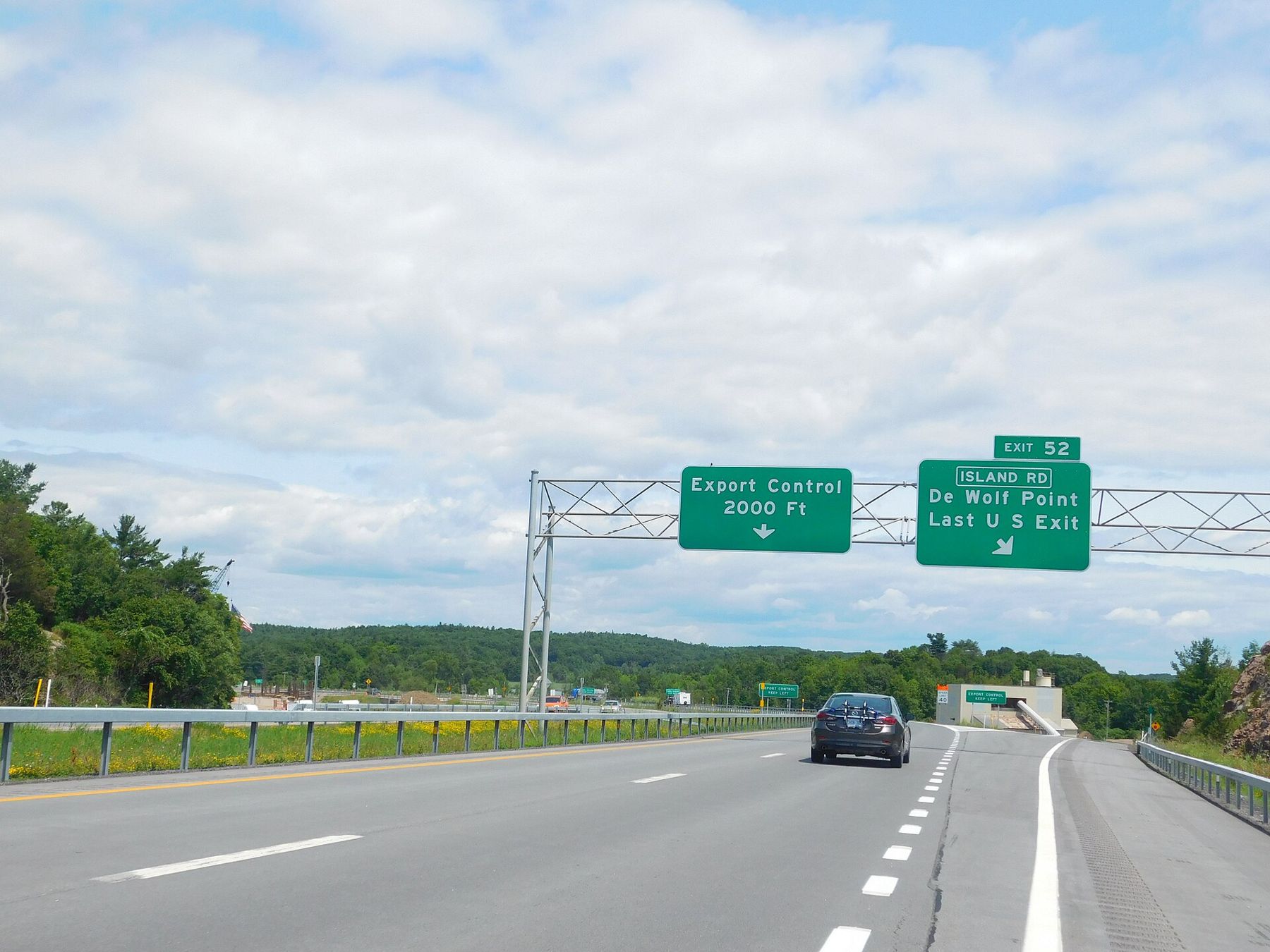
Expect to show identification, and expect the base to decide which documents it accepts. In general, a current photo ID is the starting point. Many federal facilities now ask for identification that meets the REAL ID standard, which in practice usually means a compliant driving licence or state ID card, or a passport. Whether that applies to the post you are visiting, and what alternatives it accepts, is for the base to say.
Check the expiry dates on everything you plan to bring, and bring a second form of ID if you have one. Visitors who are not US citizens, and anyone travelling with children, should ask in advance whether extra documents are needed. Arranging a visitor pass can take time on the day, so arrive with some to spare; again, the base can tell you what to expect.
ALSO ON THE MAPGate-day weather, post by postYour car, or a rental
If you plan to drive onto a post, the base may want to see papers for the vehicle as well as for you. That can include the registration, proof of insurance and, for a rental car, the rental agreement. Keep them together in the glovebox where you can reach them without unpacking the car. Ask in advance whether your vehicle and paperwork meet the base's requirements, especially if the car is borrowed, newly bought or registered in someone else's name.
What you can carry in the car onto a post is also set by the base. If you are unsure whether something is allowed, ask before you travel, or leave it at your lodging. The airport and drive-time guide covers the rental itself in general.
When you can and cannot go on post
Even with everything in order, you may not be able to go on post at a particular time. Access for visitors can be limited during training periods, holidays, special events and at short notice. The person you are visiting may also be unavailable for days at a time with little warning, and plans made months ahead can change the week before you travel.
None of this means the trip is wasted. The towns around most posts have plenty to fill a day: parks, rivers, museums and long drives into open country. Each pin story on this site, from Colorado Springs to Clarksville, is built around what to do in town while the person you are visiting is on duty, and most of the best time together happens off post anyway.
It also helps to agree a simple plan for the days when you cannot meet at all. Pick somewhere easy to find off post, such as a park, a museum car park or the place you are staying, and a time to check in by phone. If their day runs late, you will both know where the other is, and nobody spends an hour waiting in the wrong place.
A short list before you leave home
- Ask the person you are visiting what the base currently requires of visitors, and confirm it again a few days before you travel.
- Read the post's own visitor information shortly before the trip.
- Check every ID for expiry and pack a second form if you have one.
- Put vehicle papers or the rental agreement in the glovebox.
- Leave extra time for the last part of the drive, especially on busy mornings.
- Have a plan for the day that works entirely off post.
Most of all, be patient. The rules exist for reasons that are not yours to weigh, and the people applying them see many families every day. A calm, prepared visitor usually has a much easier first trip than one who arrives hoping for the best.
NEXT ON THE MAP
13
UNITED STATESAny post
From ten minutes to about two hours, depending on the post
›14
UNITED STATESAny post
Plan to arrive the day before, in daylight
›