Granite islands by the hundred, summer houses on rocks barely big enough to hold them, a castle that was never finished and a bridge to Canada: the river weekend close to the post.
Fort Drum
About 1 h 40 from Syracuse Hancock International via I-81
Warm, bright summers cooled by the river; autumn crisp with colour by early October. Winter is long and very cold, the river partly frozen; spring arrives late and wet.
June to early October
I-81 north from Watertown
Passport, windproof jacket, sunscreen, binoculars
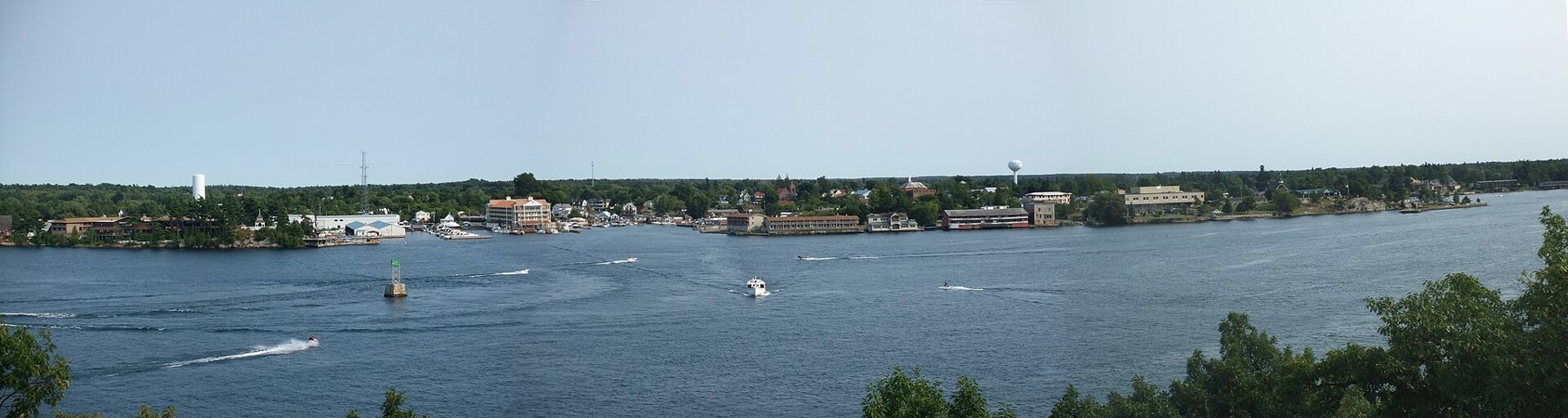
Where Lake Ontario drains into the St. Lawrence River, the water spreads around more than eighteen hundred islands of pink and grey granite, some large enough for farms and villages, others no bigger than a single cottage and a pine tree. The international border winds through the middle of them. On the American side, Alexandria Bay and Clayton have been summer towns since the late nineteenth century, when wealthy families from New York and beyond built holiday houses on the islands and steamboats ran visitors up from the railway.
From Watertown or Fort Drum it is roughly half an hour to forty minutes to either town, which makes the river the obvious weekend escape when the person you are visiting has a day or two free. If they do not, it still works as a day on your own. The Watertown guide covers the town nearer the post.
Two river towns, two moods
Alexandria Bay is the busier of the two in summer. Its small centre crowds the waterfront, and the views across the channel take in Heart Island and its castle, Wellesley Island and the long span of the bridge. Most of the river boat trips leave from here, and on a warm Saturday in July the docks are full and parking takes patience. Come on a weekday or out of high season and it is a different, quieter place.
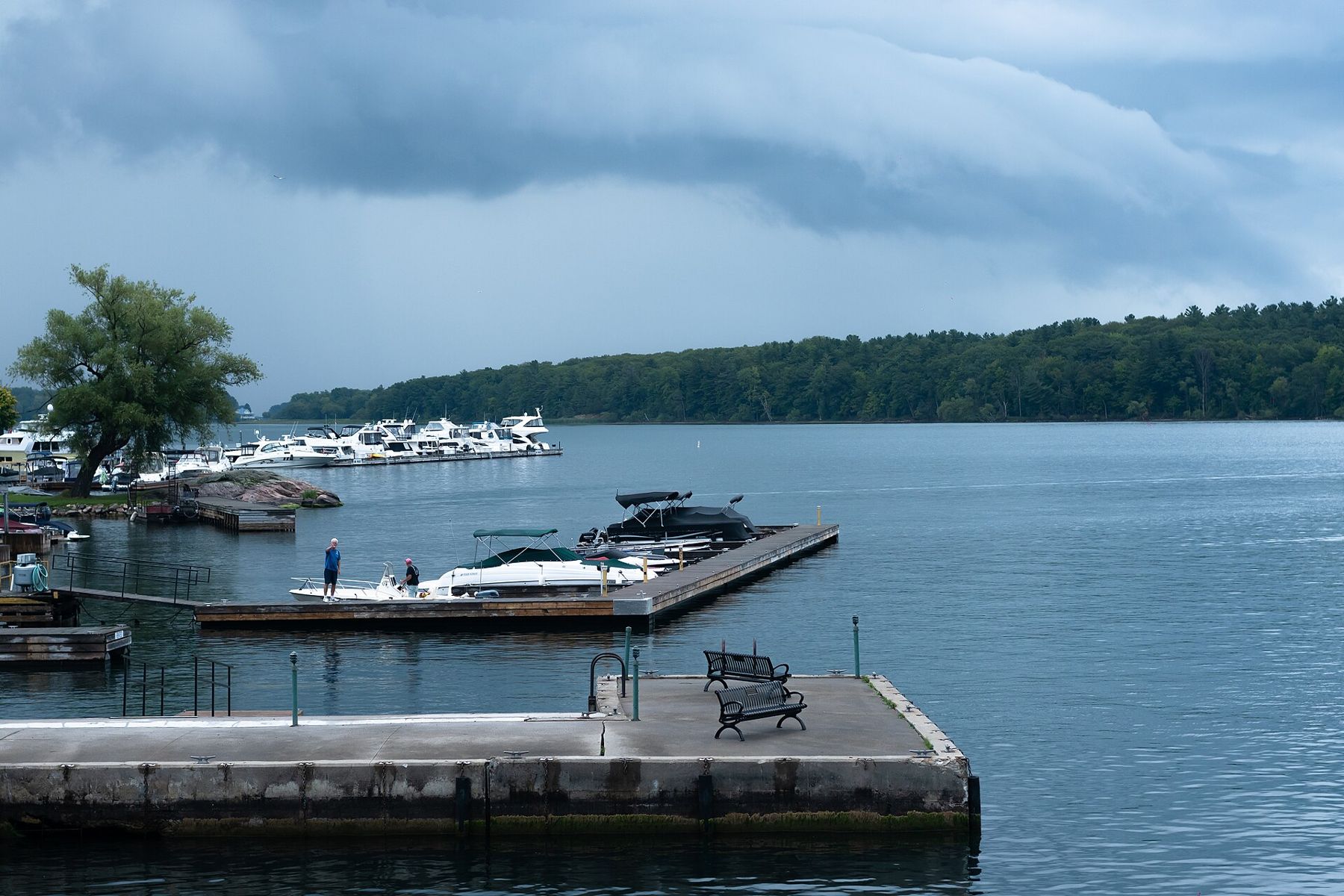
Clayton, about twelve miles upstream, is calmer and more of a working town, with a long waterfront park and old brick buildings along the main street. The Antique Boat Museum fills several buildings by the water with wooden launches, canoes and racing boats built for the river, and in summer you can see boatbuilders at work and sometimes take a short ride. It is a good stop for anyone who likes engines, craft or old photographs, and a safe bet on a grey day.
A day among the islands by boat
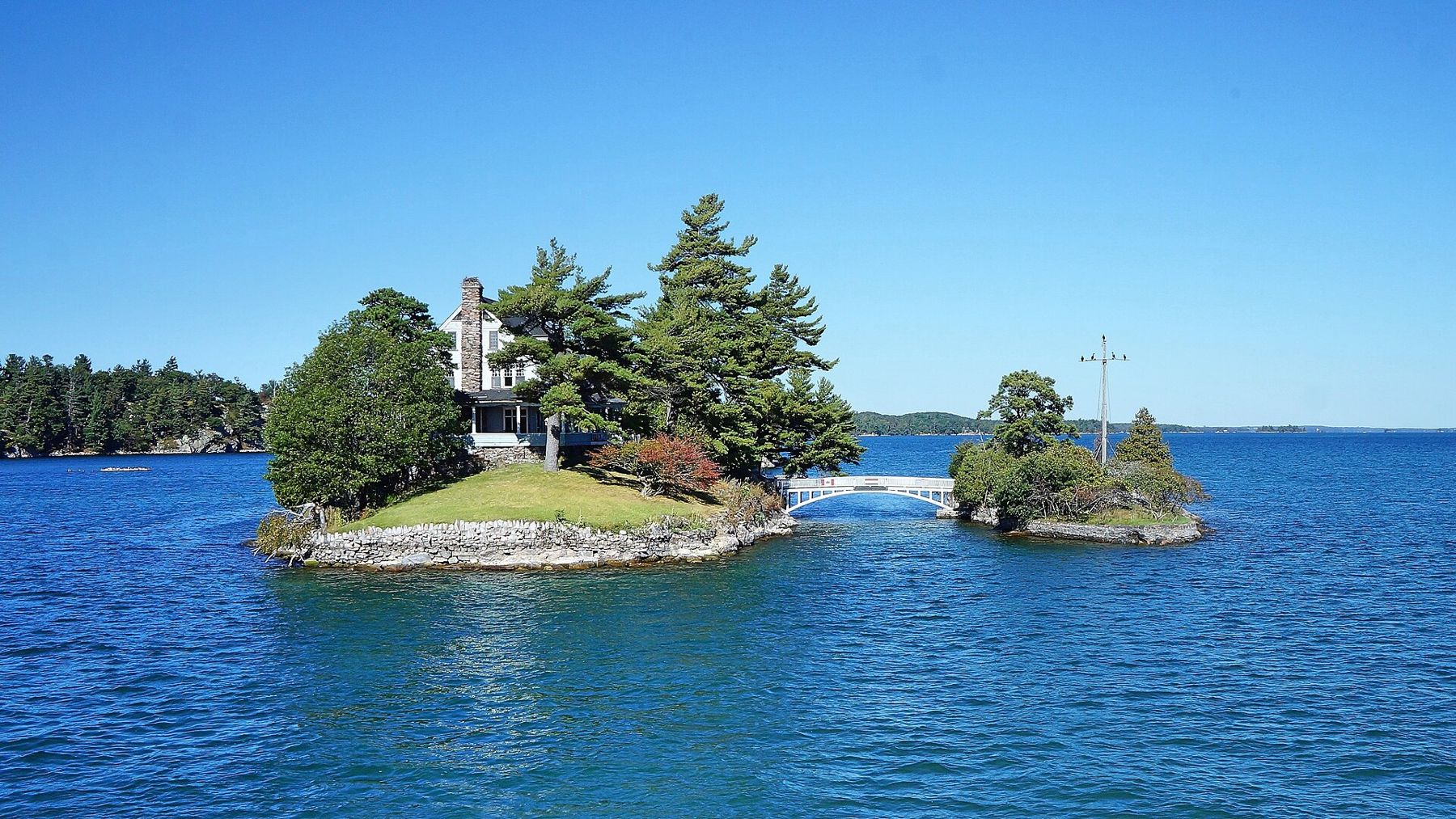
The river is best seen from a boat. Sightseeing cruises run from both towns through the summer and early autumn, from an hour around the nearest islands to longer trips that take in both sides of the border. The commentary leans heavily on old stories, some of them more decorative than true. One favourite is Zavikon Island, a pair of rocks joined by a short footbridge that is often described as the shortest international bridge in the world; both islands are in fact in Canada.
Check whether a trip crosses into Canadian waters or stops on the Canadian side before you buy a ticket, because that can change what documents you need. Water taxis and private launches also run out to the islands, and in calm weather the river is popular with kayakers. If you paddle, keep well clear of the shipping channel: large freighters use the seaway from spring to autumn, and they cannot stop or turn quickly.
Boldt Castle and the summer that ended early
Boldt Castle sits on Heart Island just off Alexandria Bay. It was begun at the turn of the twentieth century by George Boldt, a German-born hotelier, as a summer home for his wife, Louise. When she died suddenly in 1904, he stopped the work and never returned. The building stood empty and open to the weather for more than seventy years, until restoration began in the late 1970s. Today you can walk through finished rooms on the lower floors and bare brick above them, which tells the story better than any guide.
ALSO ON THE MAPClarksville, the river town beside Fort CampbellThe castle opens from late spring to early autumn and is reached only by boat, either a shuttle from Alexandria Bay or a stop on a longer cruise. The Boldt Yacht House, on nearby Wellesley Island, is part of the same story and opens in the summer months. Visitors arriving from the Canadian side must clear entry into the United States, so the arrangements differ; check the current details and fees before you go.
Wellesley Island State Park
For a quieter day, cross the first span of the Thousand Islands Bridge onto Wellesley Island and turn off for the state park. It is one of the largest parks on the river, with a campground, a swimming beach and long stretches of rocky shore. The Minna Anthony Common Nature Center at the south end has trails through woods and wetlands, short loops for children and longer walks out to granite points over the water. Ospreys and herons are common in summer, and the boardwalks over the marsh are good for frogs and turtles.
The park is open all year. In winter, when the river freezes along the shore and the cottages close, the nature trails are used for snowshoeing and cross-country skiing, and the silence is complete. A vehicle fee applies in season; check before you go.
Across the bridge to Canada
The Thousand Islands Bridge carries I-81 over the river in stages, from the New York shore near Alexandria Bay to Wellesley Island, across the border on Hill Island and on to the Ontario mainland. On the far side, the Thousand Islands Parkway follows the river past small towns, docks and lookouts, and the Canadian islands have their own national park.
Crossing is easy in practice but needs planning. Bring a passport or another document accepted for the border, check the current entry rules in both directions before you leave, and allow for queues on summer weekends and holidays. Anyone serving may have their own rules about leaving the country, even for a few hours; the person you are visiting will know what applies to them, so ask before you plan a day across the river together. Rental agreements sometimes limit cross-border driving too, so read yours.
Making the weekend work
The season is short and intense. From late June to Labor Day the towns are full, rooms are booked well ahead and prices rise; September and early October are calmer, the water is still warm enough for a boat trip and the maples turn on the islands. By late October most of the seasonal attractions have closed, and in midwinter the river belongs to ice fishermen and snowmobiles.
Pack for changeable weather even in summer: the breeze off the water is cool, and storms can move up the river quickly in the afternoon. A windproof layer, sunscreen and binoculars cover most days. If your visit falls in the colder months, the gate-day weather guide explains what lake-effect snow means for the drive. Coming from further afield, the airport and drive-time guide compares the options for reaching the North Country.
NEXT ON THE MAP
12
UNITED STATESAny post
Allow extra time for the last few miles
›13
UNITED STATESAny post
From ten minutes to about two hours, depending on the post
›